gräfix 21
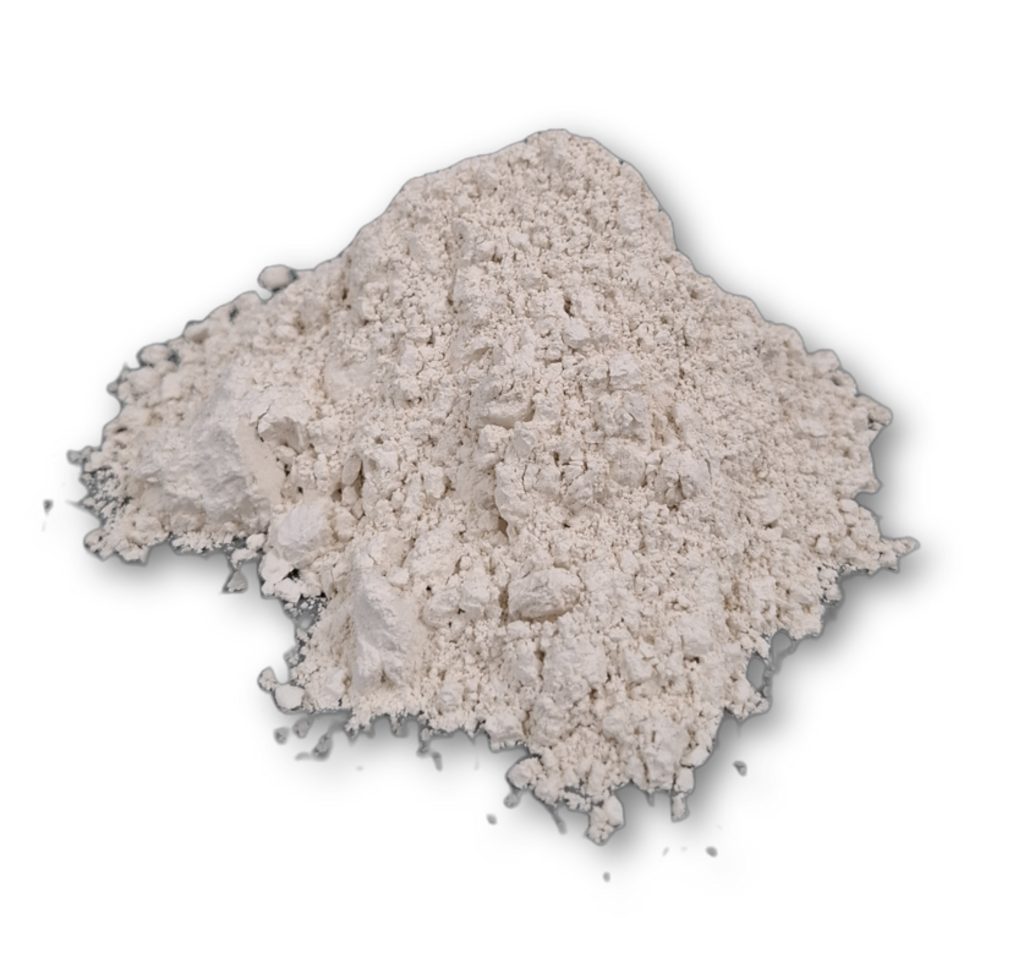
White lime CL 90-Q (white fine lime)
ground, unslaked
(calcium oxide, CaO)
gräfix 21 is used in sewage treatment plants, power stations and waste incineration plants for water and flue gas purification. The white fine lime is also used in the production of aerated concrete and sand-lime bricks for soil stabilisation and as sump lime for the production of masonry mortar and plaster and for whitewashing ceilings and walls.
Supplied loose in silo trailers
- Lime according to DIN EN 459-1 CL 90 - Q
- Ground, unslaked white lime
- Grinding fineness: min. 95 % < 0.09 mm
- Yield: approx. 36 dm³/10 kg
- Without hydraulic components
- Supplied loose in a silo train
Composition:
- CaO + MgO: > 90 %
- MgO: approx. 1.5 %
- Sulphate as SO3 approx. 0.7 %
- Carbon dioxide CO: approx. 0.5 %
- Water of crystallisation: approx. 1.3 %
- Loss on ignition: approx. 1.9 %
- Analyses according to DIN EN 459-2, section 3
- as white fine lime
- for use in sewage treatment plants, power stations, waste incineration plants
- for soil stabilisation
- for the production of aerated concrete
- in slaked form as lime putty
- for the production of mortars and plasters
Lime for the environment, industry and construction
Lime is a technically versatile raw material of great importance for environmental applications, industrial processes and the construction industry. In environmental technology in particular, lime performs important functions in the neutralisation of acidic media, the stabilisation of pH values and the binding of undesirable substances in gaseous and liquid material flows.
A key area of application is wastewater treatment in sewage treatment plants. Lime is used there to regulate the pH value and neutralise acids. This is particularly important for biological purification processes, as microorganisms are dependent on stable environmental conditions for the decomposition of nitrogen compounds. The targeted use of lime can improve process conditions, stabilise biological processes and support the cleaning performance of the system. At the same time, lime contributes to the protection of water bodies and the safe fulfilment of water management requirements.
Lime also plays an important role in nature, agriculture and forestry. Lime is used on agricultural land and forest soils to regulate the acid-base balance. It improves the soil reaction, supports the availability of nutrients and creates more favourable conditions for plant growth and soil organisms. Lime is also a proven material for stabilising acidified sites and ecologically improving sensitive areas.
In industry, lime is used in iron and steel production, metal extraction and chemical production processes. There it is used in particular for cleaning, treatment and process optimisation. One example is flue gas cleaning in waste incineration plants. The construction industry is also one of the traditional fields of application for lime, for example in mortar, sand-lime bricks, aerated concrete and as an additive in building materials. To summarise, it can be said that white lime ensures clean air, purified waste water and fertile soils.